
Footer Digging Services in Salisbury, North Carolina
Digging Accurate Footer Trenches for Strong Structural Support
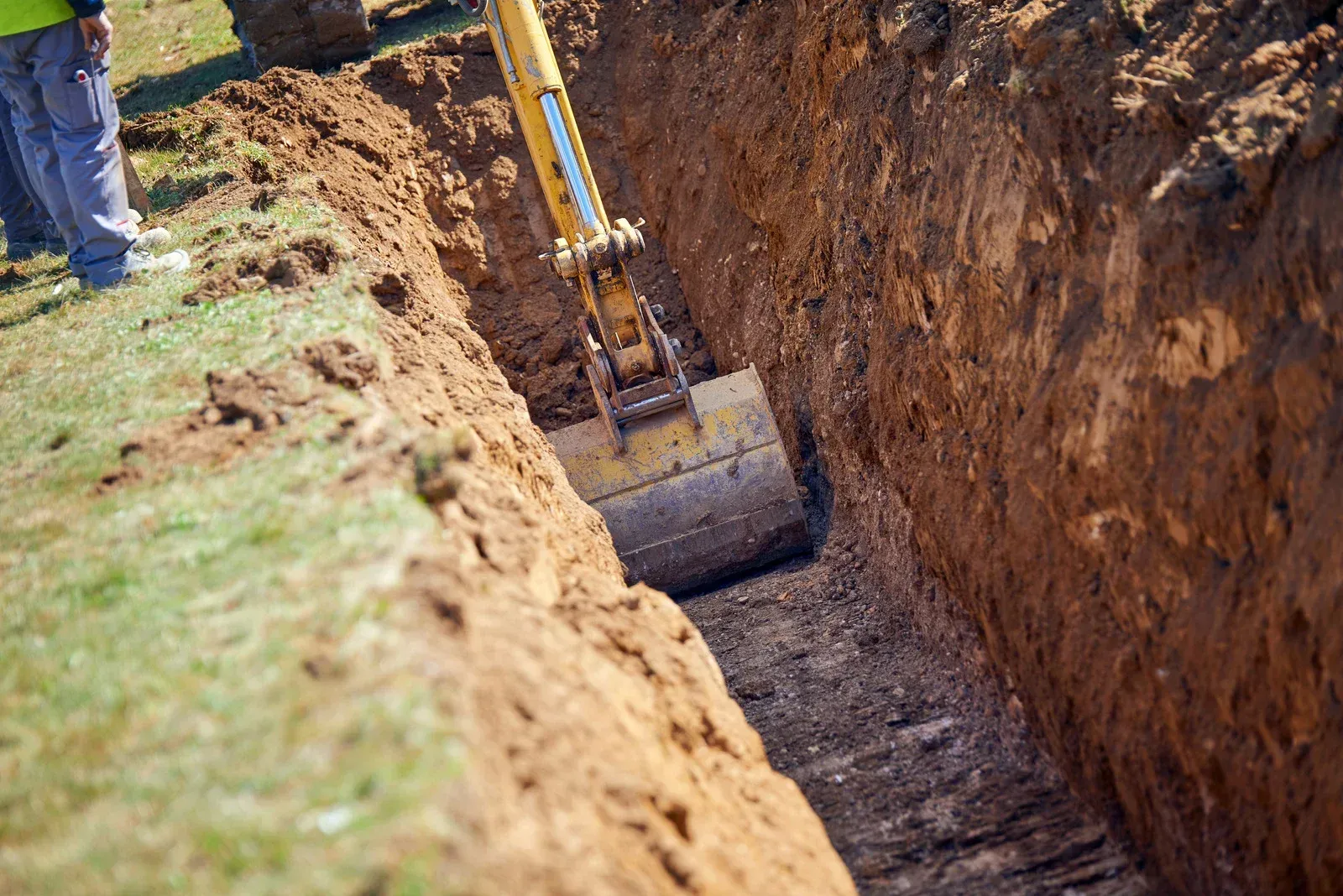
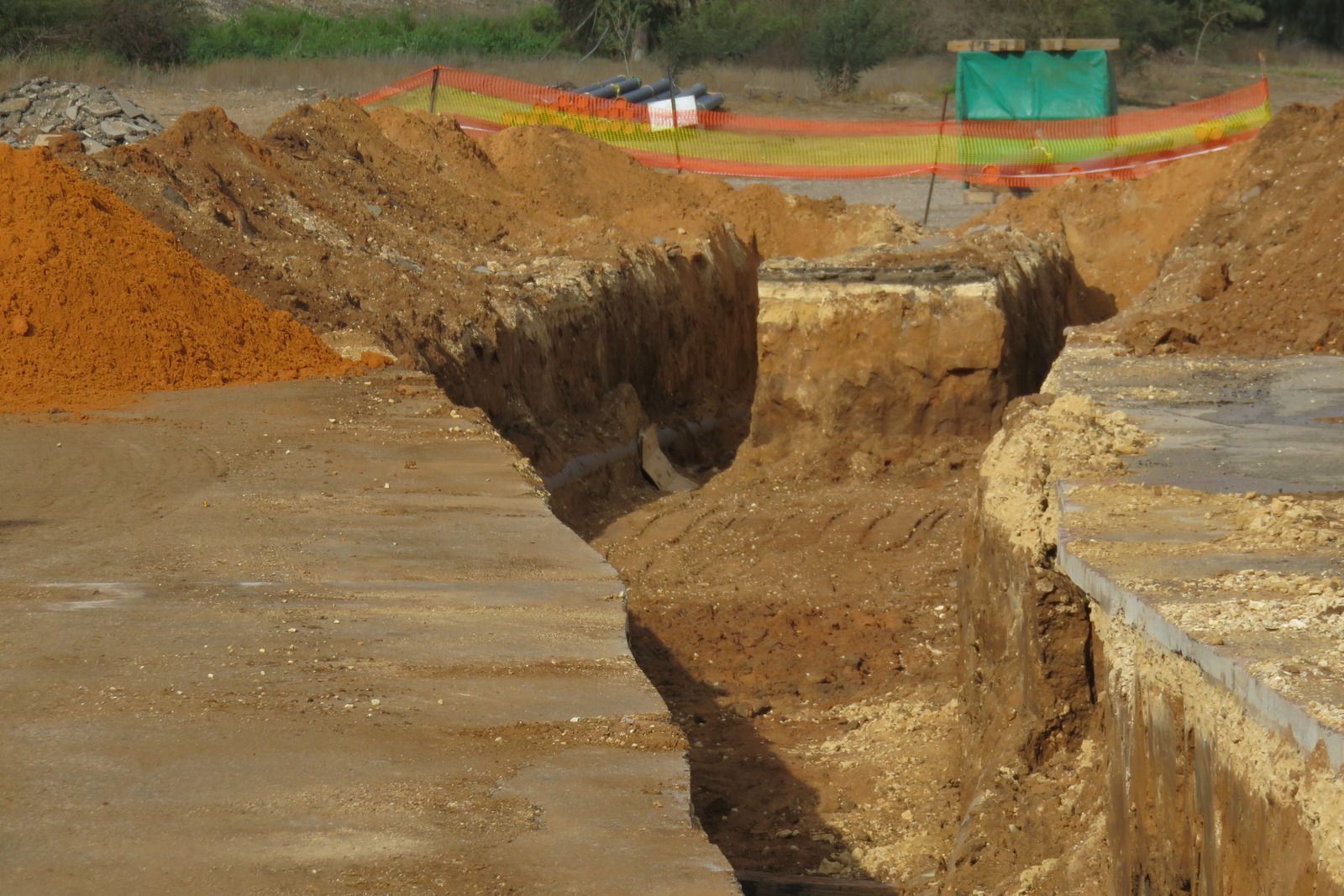
A foundation is only as reliable as the footing beneath it, and that footing is only as reliable as the trench it was poured into. Footer digging is precision work. The trench needs to be the right depth, the right width, cut to the right elevation, and left with a clean, undisturbed bottom that provides the bearing surface the concrete needs. Ridenhour Dirt Works provides footer digging services for residential construction, additions, garages, retaining walls, and accessory structures, cutting trenches to the specifications your plans call for and the conditions your site presents. We treat this phase as the structural foundation it is — not a quick dig.
Builders and property owners across Salisbury call on us when footer work needs to be done the first time correctly. We operate throughout Salisbury, North Carolina and the surrounding region, coordinating directly with builders and general contractors to ensure footer trenches are ready when the concrete crew needs them. Our ability to work to plan dimensions and read site conditions precisely is what makes this phase go smoothly.
Family-owned and field-proven over 6
years on residential and light commercial projects, we deliver footer digging work that holds to the spec, communicates clearly when site conditions require adjustment, and leaves the trench in the condition a concrete pour requires. Our team takes this phase seriously because a poorly cut trench creates problems that no amount of concrete can fully compensate for. If your project needs footers cut, reach out through our contact page to discuss the scope and schedule a site visit.
Our Footer Digging Crew Gets the Depth and Detail Right
Residential Foundation Footer Trenches
Residential foundation footer trenches must match structural specifications and local frost depth requirements. We cut to the required depth and width with minimal trench-bottom disturbance, creating a clean bearing surface for concrete and stable trench walls before the pour.
Garage and Accessory Structure Footers
Detached garages, workshops, and outbuildings need properly sized footer trenches for their load and soil conditions. We cut trenches to the correct depth and dimension, providing clean, accurate excavation that helps prevent movement, cracking, and foundation problems later.
Retaining Wall Footer Excavation
Retaining walls place heavy lateral and vertical forces on their footings. We excavate footer trenches to the correct depth and bearing elevation, checking trench-bottom conditions so the concrete crew has a stable, properly prepared surface to work from.
Addition and Tie-In Footer Digging
Additions require new footers that connect properly to the existing foundation system. We dig tie-in footer trenches carefully around existing structural elements, matching depth and bearing elevation to engineering requirements so the addition performs correctly over time.
Commercial Light Footer Trenches
Light commercial structures often require wider, deeper, and more detailed footer trenches than residential projects. We cut trenches to plan dimensions and coordinate clearly with the project team, making sure the excavation is ready when the construction schedule requires it.
Step Footer Excavation
Sloped sites often require step footers that follow the terrain instead of one continuous depth. We cut step footer trenches to plan specifications, maintaining proper bearing depth and step height so the foundation can follow grade without losing structural support.
How We Use Footer Digging to Protect Every Build
Structural Bearing Surface Integrity
The bottom of a footer trench supports the entire structure. A clean, undisturbed trench bottom in competent soil preserves the bearing capacity the footing design requires, giving the concrete a stable surface to perform as intended.
Code Compliance and Inspection Readiness
Footer trenches must meet local code requirements for depth, width, and bearing conditions before concrete placement. An accurately cut trench passes inspection without rework, keeping the schedule moving and preventing delays that affect later construction phases.
Concrete Efficiency and Quality
A trench cut to plan dimensions uses concrete efficiently and avoids waste from oversized excavation. Correct trench geometry also allows the footer to cure in the intended shape, producing the cross-section specified by the structural engineer.
Builder and Schedule Coordination
Footer digging fits into a tight construction schedule. Arriving on time and cutting trenches correctly keeps the concrete crew moving behind us. Reliable trench work at this stage helps the entire project timeline stay on track.
Accurate Depth Control
Frost depth, engineering plans, and local codes determine how deep footers must be. We cut trenches to the required depth and confirm elevation, ensuring the footing sits at the proper bearing level and below frost depth where required.
Reduced Rework and Waste
Accurate footer digging prevents costly corrections before the pour. Over-excavation wastes concrete, while under-excavation requires another pass. Getting the trench dimensions right the first time keeps the project moving and avoids unnecessary material waste.
Start Your Foundation with Properly Cut Footer Trenches
The concrete crew cannot pour until the trench is ready, and a trench that is off in depth, width, or bearing condition holds up every trade that follows. Footer digging is one of those phases where getting it right quietly keeps the entire project on schedule. Ridenhour Dirt Works handles footer digging throughout Salisbury, North Carolina with the precision your structural plans require and the field experience to handle whatever site conditions present themselves. When your build is ready for the trench phase, visit our contact page and we will make sure the footers are done right before the pour begins.
Frequently Asked Questions
How deep do footers need to be in North Carolina?
Footer depth in North Carolina depends on frost depth, soil bearing capacity, and structural requirements. In the Salisbury area, frost depth is relatively shallow, but local codes still set minimum depths. We cut to plan depth and confirmed code requirements.
What equipment is used for footer digging?
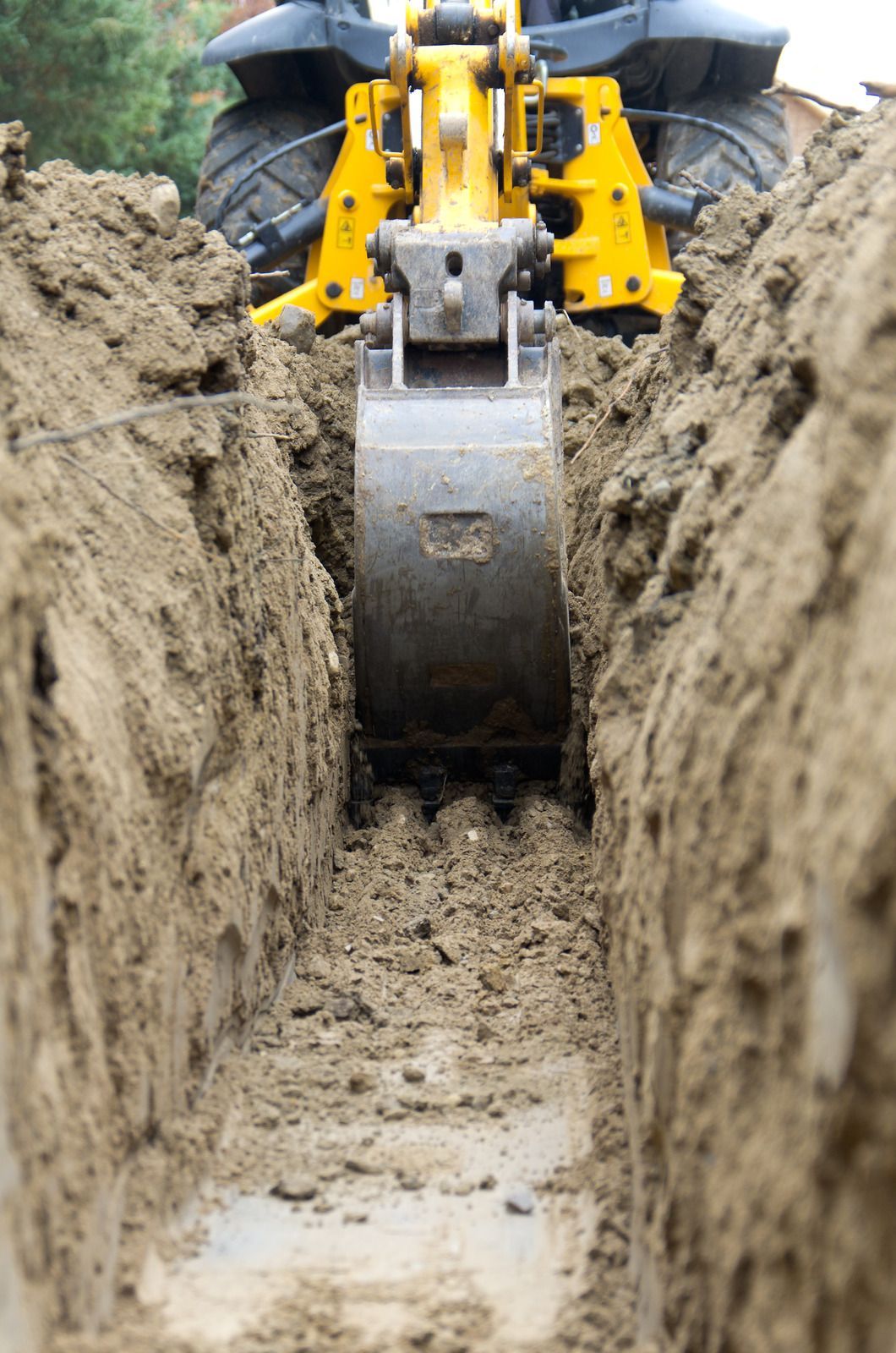
Footer trenches are usually cut with a compact excavator or trackhoe sized for the trench and site access. Tight areas may require smaller equipment or hand work. Equipment selection depends on trench dimensions, access, and the precision required.
Can footer digging begin before the building permit is issued?
In most cases, footer excavation requires an active building permit. Footing inspections usually happen before concrete placement and are tied to that permit. Confirm permit status with your builder or local municipality before scheduling the dig.
How do you handle rock or difficult soil conditions during footer digging?
Rock, hardpan, or difficult soil may require adjusted techniques, rock-breaking equipment, or engineer-approved trench changes. When unexpected subsurface conditions appear, we communicate with the builder or owner before proceeding so the proper response can be determined.
At Ridenhour Dirt Works, do you coordinate directly with concrete crews in Salisbury, North Carolina?
At Ridenhour Dirt Works, we coordinate with concrete crews and general contractors throughout Salisbury, North Carolina. Clear communication ensures footer trenches are ready when the schedule calls for them and remain in proper condition before concrete placement.
What happens if the trench bottom is soft or unsuitable for bearing?
If the trench bottom contains soft clay, organic material, or disturbed soil, we notify the project team and may over-excavate to competent bearing material. Final correction methods, such as select fill or revised depth, are determined by the engineer or designer.
Do you handle footer digging for additions to existing homes?
Yes, we handle footer excavation for additions. These trenches must connect or align with the existing foundation at the correct depth and bearing elevation. We work carefully around existing structures and utilities to avoid disturbing what is already in place.
How wide should a footer trench typically be?
Footer trench width is determined by the structural drawings, soil bearing capacity, and building load. Residential footers commonly range from twelve to twenty-four inches wide, but the plans govern. We cut to plan width and confirm dimensions before leaving.
What our customers have to say...
Testimonials