Backfilling Services in Salisbury, North Carolina
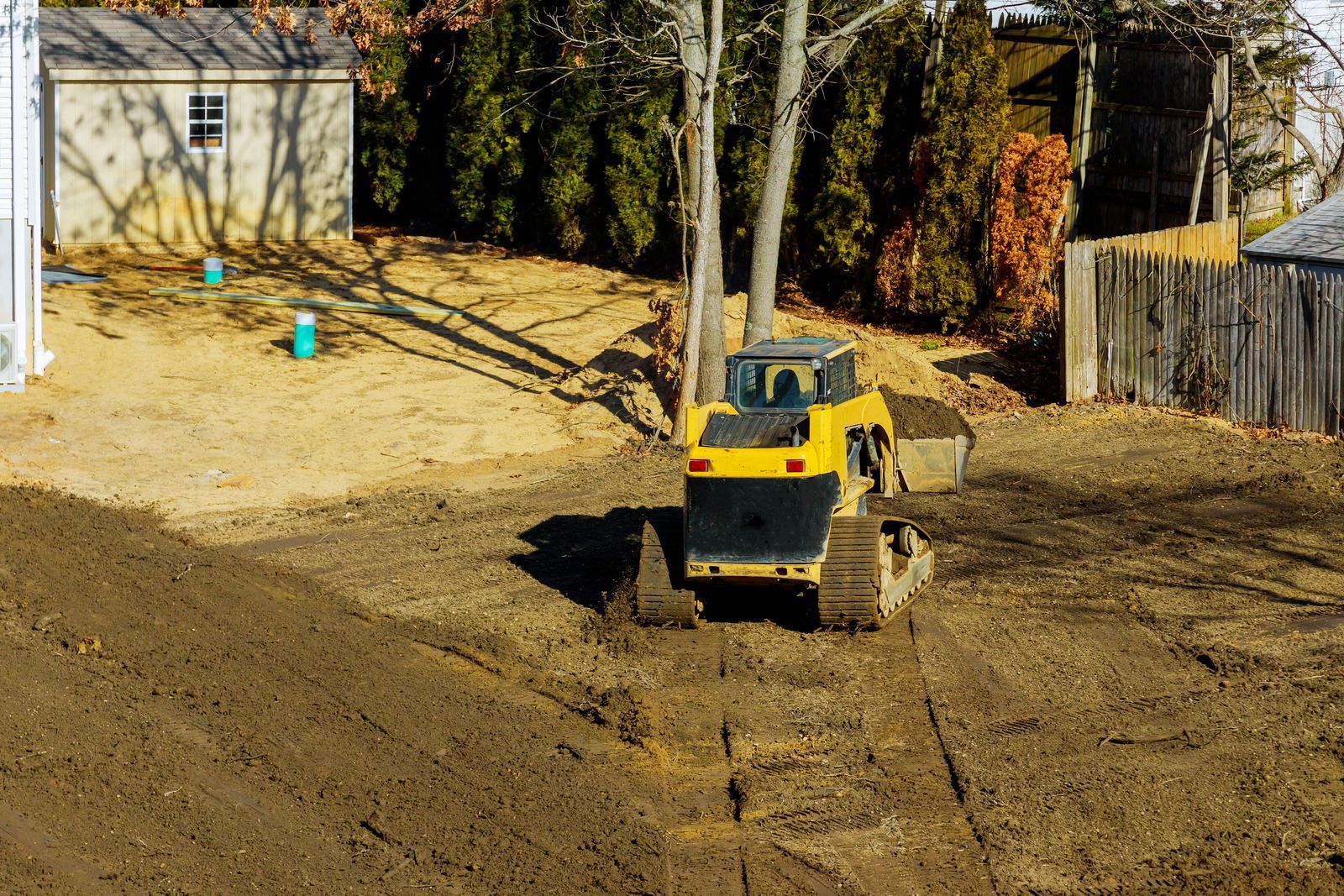
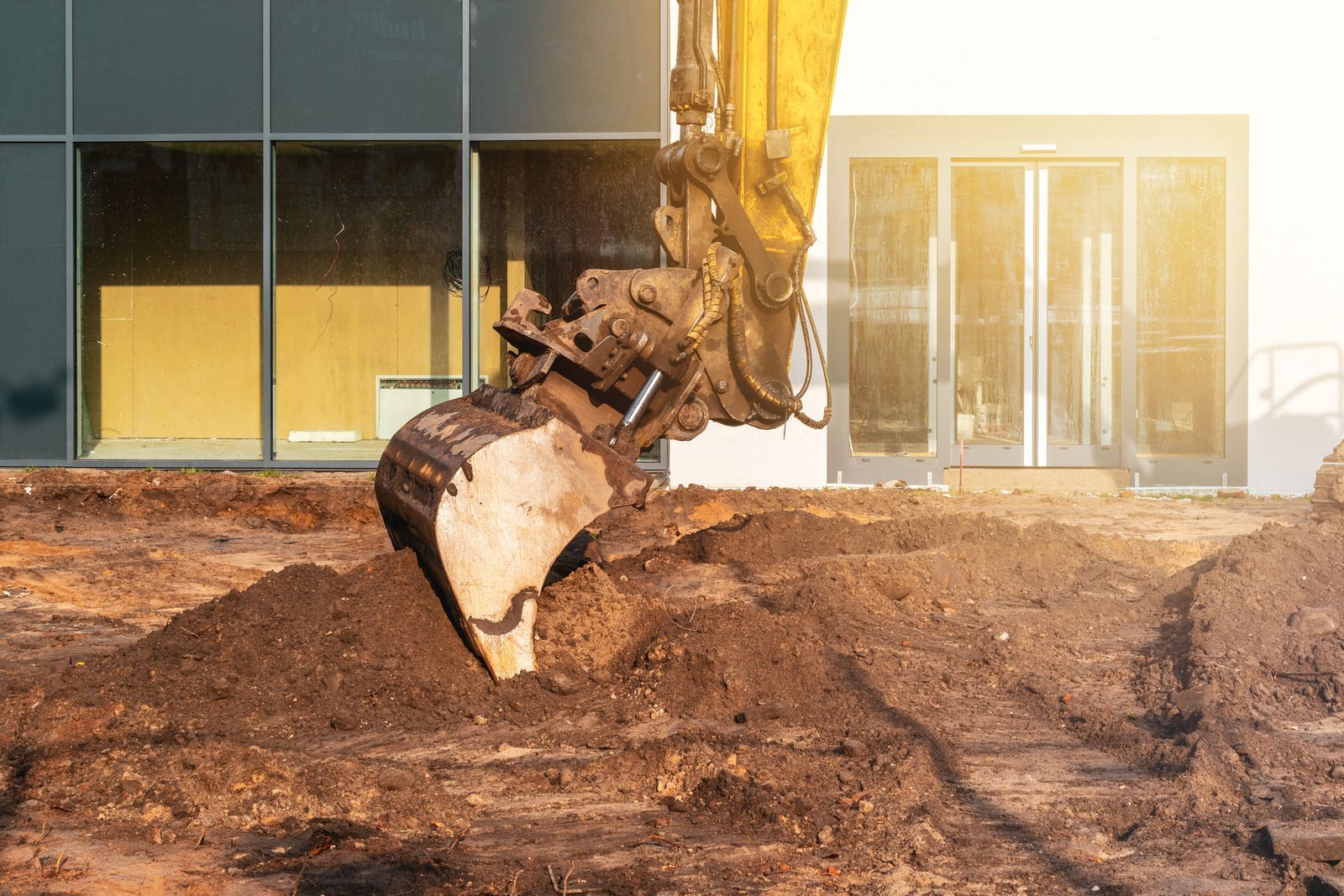
Restoring Excavated Ground with Stable, Compacted Backfill
Once the footer is poured and the foundation walls are up, the ground that surrounds them has to come back correctly. Backfilling is not just shoveling dirt into a hole. It is a controlled, deliberate process of placing and compacting fill material in layers to prevent settlement, protect structural elements, and restore the site to grade without creating voids, hydrostatic pressure problems, or long-term movement in the soil surrounding your structure. Ridenhour Dirt Works provides professional backfilling services that treat the post-foundation phase with the precision it requires.
Contractors and property owners throughout Salisbury count on us for backfilling work that meets structural requirements and does not create the compaction failures that show up as cracked walls and sunken grade lines later. We serve Salisbury, North Carolina and the broader surrounding area, working with builders and homeowners who need backfill handled by a team that understands what proper lift compaction looks like in the field.
With 6
years of experience handling backfilling on residential and light commercial projects, we bring a clear understanding of what this phase demands and what happens when it is not done correctly. We are a family-owned company, and our work reflects the standards we hold ourselves to personally. No guesswork, no cutting corners on compaction lifts. If your project needs backfilling handled correctly from the first shovel to the final grade, get in touch through our contact page to schedule a site visit and walk through the scope.
What Our Backfilling Crew Brings to Every Job Site
Foundation Wall Backfill
Backfilling against foundation walls requires care to avoid lateral pressure that can crack or bow new walls. We place soil in controlled lifts and compact each layer properly, protecting the wall while creating a stable soil mass that resists uneven settlement.
Trench Backfill
Utility trenches, drainage lines, and pipe installations need proper backfilling after inspection. We place and compact material in lifts to restore soil density and prevent the trench line from settling, sinking, or creating low spots in the finished surface above.
Structural Fill Placement
Fill beneath slabs, pads, or structural elements must be placed correctly. We install structural fill to the required depth and compact it for the intended load, helping prevent differential settlement that can cause slabs to crack or pads to shift.
Crawl Space Backfill
Crawl space and perimeter foundation areas require careful fill placement for stability and moisture control. We backfill these areas to maintain positive drainage away from the foundation while creating a stable, compacted surface that helps prevent settling around the perimeter.
Retaining Wall Backfill
Retaining walls depend on proper backfill for long-term performance. We place material behind retaining walls in controlled lifts, using suitable fill and compaction methods to limit lateral pressure while preserving the drainage layer that prevents hydrostatic pressure behind the wall.
Graded Backfill for Drainage
Drainage-focused backfill requires the right material and placement. We coordinate fill with drain tile, gravel beds, and filter fabric so water moves correctly through the backfill zone. Proper grading prevents water buildup against foundations and redirects it toward drainage outlets.
How We Use Backfilling to Protect Every Project
Foundation Settlement Prevention
Poorly placed backfill settles over time, creating voids around foundation walls. Proper lift-by-lift compaction eliminates those voids from the start, producing a stable soil mass that maintains density and keeps the foundation perimeter supported for the life of the structure.
Structural Wall Protection
Backfilling too aggressively against a new foundation wall can cause cracking or displacement. We understand curing timelines and wall conditions that determine when and how fill should be placed, protecting foundation walls when they are most vulnerable to mechanical damage.
Correct Site Grade Restoration
Correctly placed and compacted backfill restores disturbed areas to intended grade without low spots forming near the structure. Proper grade restoration ensures surface water drains away as intended and keeps the transition between disturbed and undisturbed soil stable.
Reduced Long-Term Repair Costs
Settlement failures, cracked walls, and sunken grades caused by poor backfilling are expensive to correct later. Doing the backfill correctly during construction avoids those repairs entirely. Proper technique at this stage costs far less than fixing its absence years later.
Utility and Drainage Line Protection
Buried pipes, conduits, and drainage lines depend on proper backfill placement for protection from point loads and crushing forces. We use appropriate bedding, cover, and fill material to protect installed lines throughout the backfill process.
Faster Site Restoration
Well-managed backfill restores the site surface efficiently, allowing finish grading, seeding, and landscaping to proceed without waiting on settlement. Properly compacted fill avoids repeat visits for sunken areas, helping the site reach its final condition faster.
Need Backfill Placed Right Around Your Structure?
Backfill is the part of a construction project that nobody photographs — but it is the part that determines whether the foundation beside it stays plumb and dry for decades or starts showing stress within a few years. What gets placed, how it is compacted, and when it goes in all matter. Ridenhour Dirt Works approaches every backfilling project in Salisbury, North Carolina with the precision and patience this phase requires, because cutting corners here shows up later in ways that are expensive to correct. When your project reaches this stage, visit our contact page and let us handle it correctly.
Frequently Asked Questions
What type of fill material is used for backfilling?
Fill material depends on the application. Clean granular fill is preferred near foundations and structural areas because it compacts well and drains freely. Native soil may be reused in non-structural areas if it meets compaction requirements.
How is backfill compacted properly?
Proper compaction means placing fill in lifts, usually six to eight inches, and compacting each layer before adding the next. Lift thickness and compaction effort depend on material type, location, and density requirements. Skipping lifts creates settlement problems.
Why is backfilling a foundation wall done in stages?
New foundation walls need time to gain strength before handling backfill pressure. Placing soil too early or too aggressively can crack or bow the wall. We coordinate timing and place material in stages to protect the foundation.
Can improper backfilling cause foundation damage?
Yes. Poor backfilling can cause cracking, wall movement, settlement, or moisture intrusion. Common mistakes include backfilling before walls cure, compacting too aggressively, or using poorly draining material. Proper technique prevents these problems before they become costly repairs.
Ridenhour Dirt Works — do you handle backfilling for residential and commercial projects in Salisbury, North Carolina?
Yes, Ridenhour Dirt Works handles backfilling for residential new builds, additions, and light commercial projects throughout Salisbury, North Carolina. From foundation walls to structural fill placement, we approach each job with the same standard of care.
How soon after foundation work can backfilling begin?
Timing depends on the foundation type, wall thickness, concrete mix, weather, and required curing time. Poured concrete walls often need several days to a week before full backfill. We coordinate with your builder or engineer before starting.
Is backfill settlement normal?
Minor settlement can happen as soil adjusts, especially if compaction was limited. Proper lift compaction keeps settlement minimal. Significant sinking, gaps near foundation walls, or surface depressions usually mean the backfill was not compacted correctly and needs correction.
Do you haul in fill material if additional volume is needed?
Yes. If the site lacks enough usable native material, we can source and deliver suitable fill. Material selection depends on the application, required volume, and performance needs of the area being backfilled.
What our customers have to say...
Testimonials