Erosion Control Services in Salisbury, North Carolina
Protecting Disturbed Soil from Erosion and Runoff Damage
Disturbed soil does not stay where it is placed. Without protection, it travels — down slopes, into drainage channels, across neighboring properties, and away from the surfaces where it was meant to stay. Erosion on a construction site or bare slope is not just an aesthetic problem. It contributes to sediment pollution in waterways, creates liability for property owners, undermines slopes and grade lines, and can trigger regulatory action on active sites. Ridenhour Dirt Works provides erosion control services that protect disturbed ground during and after construction, stabilize vulnerable slopes, and keep soil in place while permanent vegetation or surface improvements are established.
Property owners, builders, and contractors throughout North Carolina rely on us for erosion control that meets site-specific needs and complies with applicable regulations. We serve Salisbury, North Carolina and the surrounding region, implementing erosion control on residential lots under construction, bare acreage, graded slopes, and rural properties where ground disturbance has left soil vulnerable to rainfall and runoff.
We have spent 6
years implementing erosion control on disturbed ground across a range of site types and conditions. As a family-owned company, we approach every erosion control project with the same commitment to getting it right — because improperly protected soil creates problems that are far more difficult and costly to correct after the fact. We work with property owners and builders directly, communicating clearly about what each site needs and why the measures we install are the right ones for the conditions present. If your site needs erosion control implemented correctly, visit our contact page to request an assessment and get started.
We Install Erosion Control So Your Property Stays Intact
Silt Fence Installation
Silt fencing intercepts sheet flow runoff and captures sediment before it leaves the site. We install it at the correct offset, key it into the ground, and position it around drainage patterns so it functions properly during rain.
Erosion Control Blanket Installation
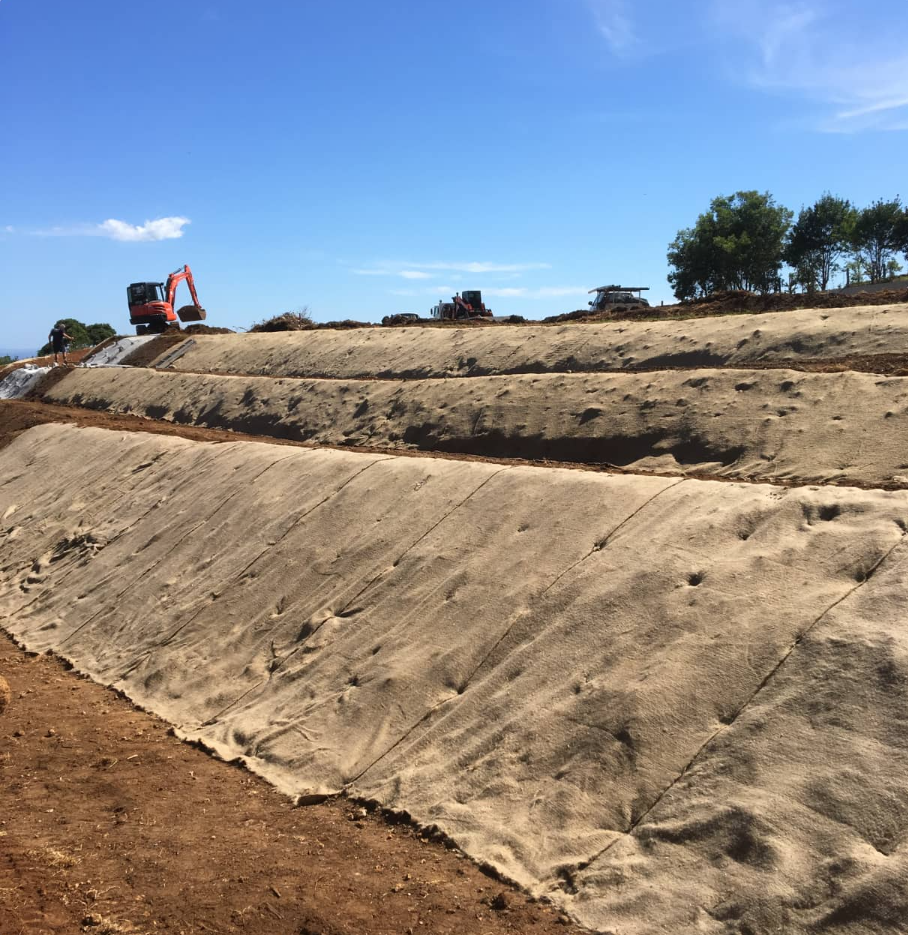
Erosion control blankets hold soil and seed in place while vegetation establishes on slopes and disturbed areas. We match blanket type to slope, soil, and vegetation needs, then anchor it correctly to prevent lifting, shifting, and surface erosion.
Hydroseeding and Temporary Seeding
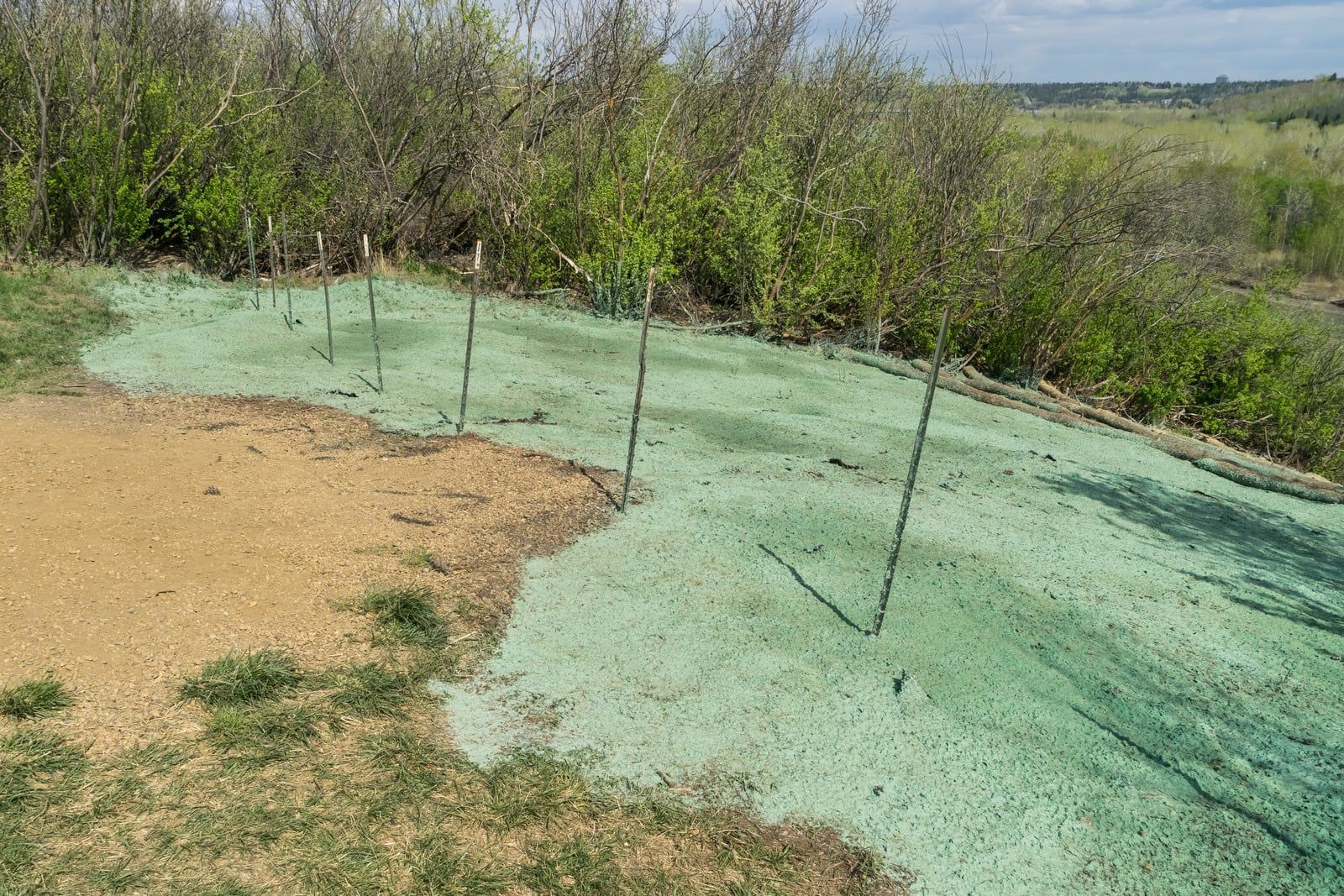
Vegetation is the most permanent erosion control solution for disturbed ground. We apply seed mixes suited to the site, whether for turf, slope stabilization, or temporary construction cover. Fast germination helps protect bare soil and reduce long-term erosion risk.
Gravel and Stone Check Dams
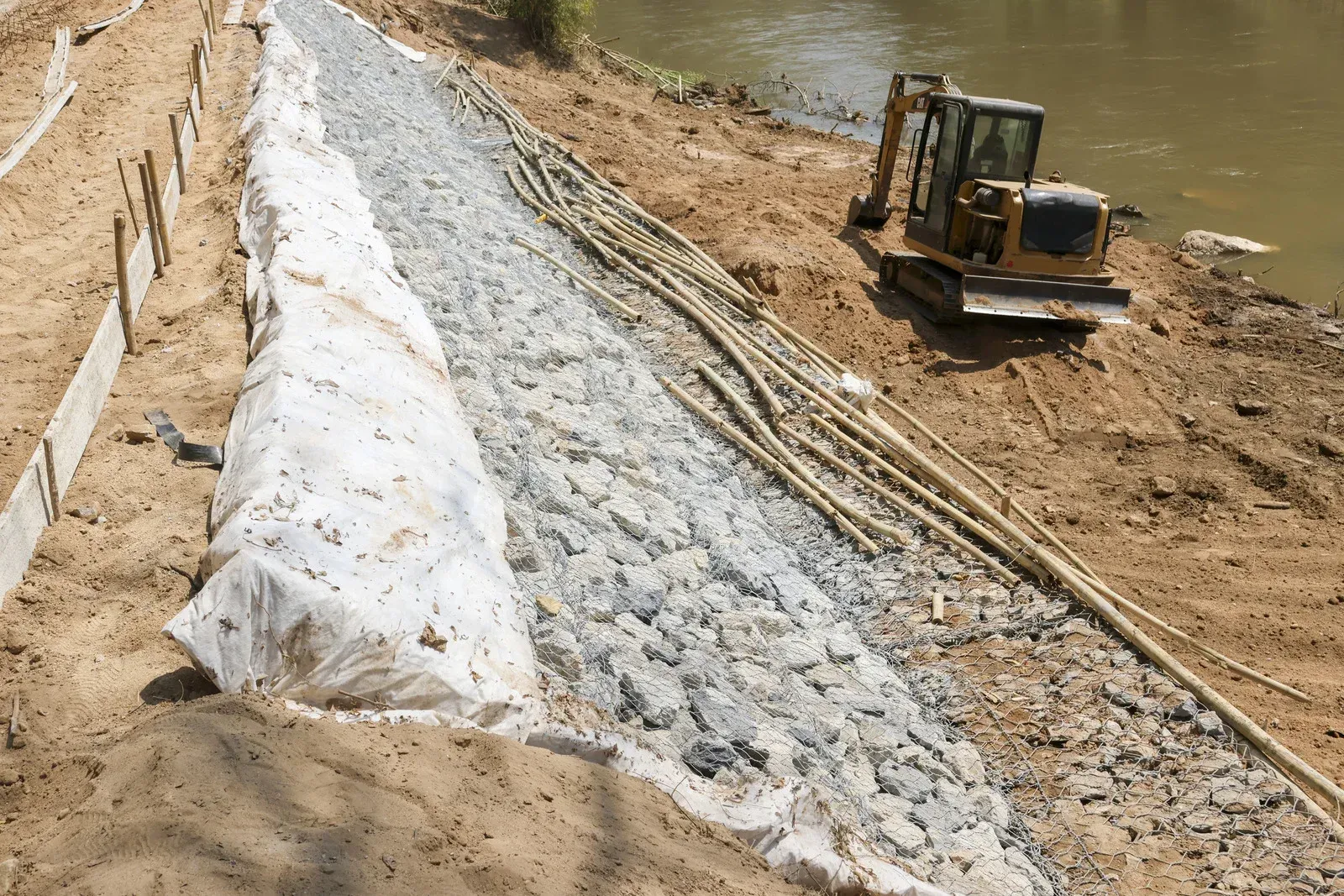
Check dams slow runoff in swales and flow channels, allowing sediment to settle before water continues downstream. We install gravel or stone check dams at proper intervals and heights to reduce channel erosion and protect drainage paths from high-velocity flow.
Slope Stabilization Grading
Unstable or overly steep slopes often need regrading before erosion control materials can work. We reshape slopes to safer angles, add toe benches where needed, and prepare the surface for blankets, seeding, or other stabilization measures.
Inlet Protection
Storm drains, catch basins, and culvert headwalls need protection during construction. We install inlet protection devices that filter sediment from runoff before it enters drainage structures, helping prevent pipe buildup, waterway contamination, and erosion control compliance issues.
Why Erosion Control Protects More Than Just Your Topsoil
Prevention of Soil Loss on Disturbed Sites
Bare, disturbed soil can wash away quickly during heavy rain. Erosion control intercepts runoff and protects the soil surface before that loss occurs, preserving the construction grade and keeping valuable topsoil in place for future vegetation.
Regulatory Compliance on Construction Sites
Land disturbance above certain thresholds in North Carolina requires erosion control planning and best management practices. Proper installation helps prevent stop-work orders, fines, and corrective action by keeping sediment contained and the project compliant from the start of ground disturbance.
Protection of Neighboring Properties and Water Bodies
Sediment leaving a construction site can end up on neighboring properties, in roadside ditches, streams, or ponds. Proper erosion control keeps soil on-site, protecting nearby properties and preserving water quality throughout the surrounding watershed.
Preservation of Drainage Infrastructure
Sediment-heavy runoff can clog storm drains, culverts, ditches, and drainage channels. Keeping sediment on-site protects drainage infrastructure, reduces cleaning needs, and preserves the flow capacity those systems were designed to provide during rain events.
Faster Vegetation Establishment
Erosion control holds soil and seed in place, creating better conditions for vegetation to establish. When seed is not washed away and soil remains stable, germination improves, ground cover develops faster, and temporary measures can transition into permanent stabilization.
Reduced Long-Term Site Remediation Costs
Unchecked erosion leaves sites damaged, uneven, sediment-filled, and potentially non-compliant. Installing erosion control during disturbance is consistently less expensive than repairing washed-out grades, removing deposited sediment, or completing corrective work after erosion has already caused damage.
Keep Your Site Stable Through Every Rain Event
Ground that has been cleared, graded, or disturbed during construction is at its most vulnerable until vegetation is established or surface improvements are in place. Getting erosion control right during that window prevents soil loss, regulatory exposure, and off-site damage that no amount of remediation fully reverses. Ridenhour Dirt Works implements erosion control measures throughout Salisbury, North Carolina that keep soil where it belongs from the first day of ground disturbance. When your site needs protection during and after construction activity, visit our contact page to get an assessment.
Frequently Asked Questions
What is erosion control and why is it required on construction sites?
Erosion control prevents disturbed soil from washing or blowing off-site. It is required because bare ground erodes quickly during rain, sending sediment into drainage systems and waterways. Proper measures protect water quality, neighboring properties, and the construction site itself.
What erosion control measures are most commonly used on residential construction sites?
Common residential erosion control measures include silt fence, erosion control blankets, temporary seeding, and inlet protection. The right combination depends on slope, drainage patterns, water proximity, and construction stage. We assess each site and install measures that address its specific erosion risks.
How long does silt fence last before it needs to be replaced?
Silt fence is temporary and wears down from sunlight, runoff, and sediment buildup. It often lasts six months to a year under normal conditions. It should be inspected regularly and repaired or replaced when torn, undermined, overtopped, or filled with sediment.
Can erosion control blankets be used on steep slopes?
Yes, erosion control blankets can be used on steep slopes when the correct blanket type and anchoring method are selected. Steeper slopes or concentrated flow areas may need heavier products, more anchoring, check dams, or other supplemental erosion control measures.
Ridenhour Dirt Works — do you provide erosion control for active construction sites in Salisbury, North Carolina?
Yes, Ridenhour Dirt Works installs and maintains erosion control measures on active construction sites throughout Salisbury, North Carolina. We work with builders, contractors, and property owners to protect disturbed ground from initial clearing through final vegetation establishment.
When should erosion control be installed on a graded site?
Erosion control should be installed as soon as ground is disturbed, not after grading is complete. Waiting leaves bare soil exposed during rain events. Treating erosion control as a first-day priority helps prevent washouts, sediment movement, and site damage.
How do you protect drainage inlets during construction?
Drainage inlets can be protected with gravel bags, filter socks, or manufactured inlet protection devices. These allow water to enter while filtering sediment. We select protection based on inlet type, runoff volume, and site conditions, then maintain it during construction.
What happens if erosion control is not maintained during construction?
Unmaintained erosion control eventually fails. Silt fence fills and overtops, blankets lift, and drainage inlets clog with sediment. Once sediment leaves the site, cleanup costs and regulatory problems can follow. Regular inspection and maintenance are as important as installation.
What our customers have to say...
Testimonials