Finish Grading in Salisbury, North Carolina
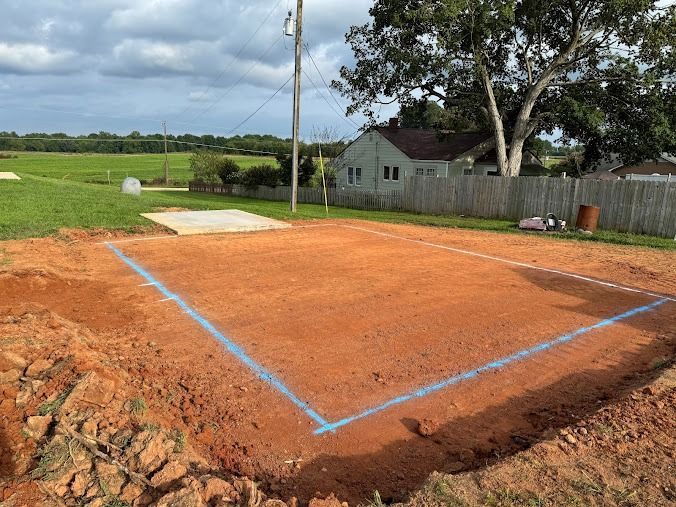
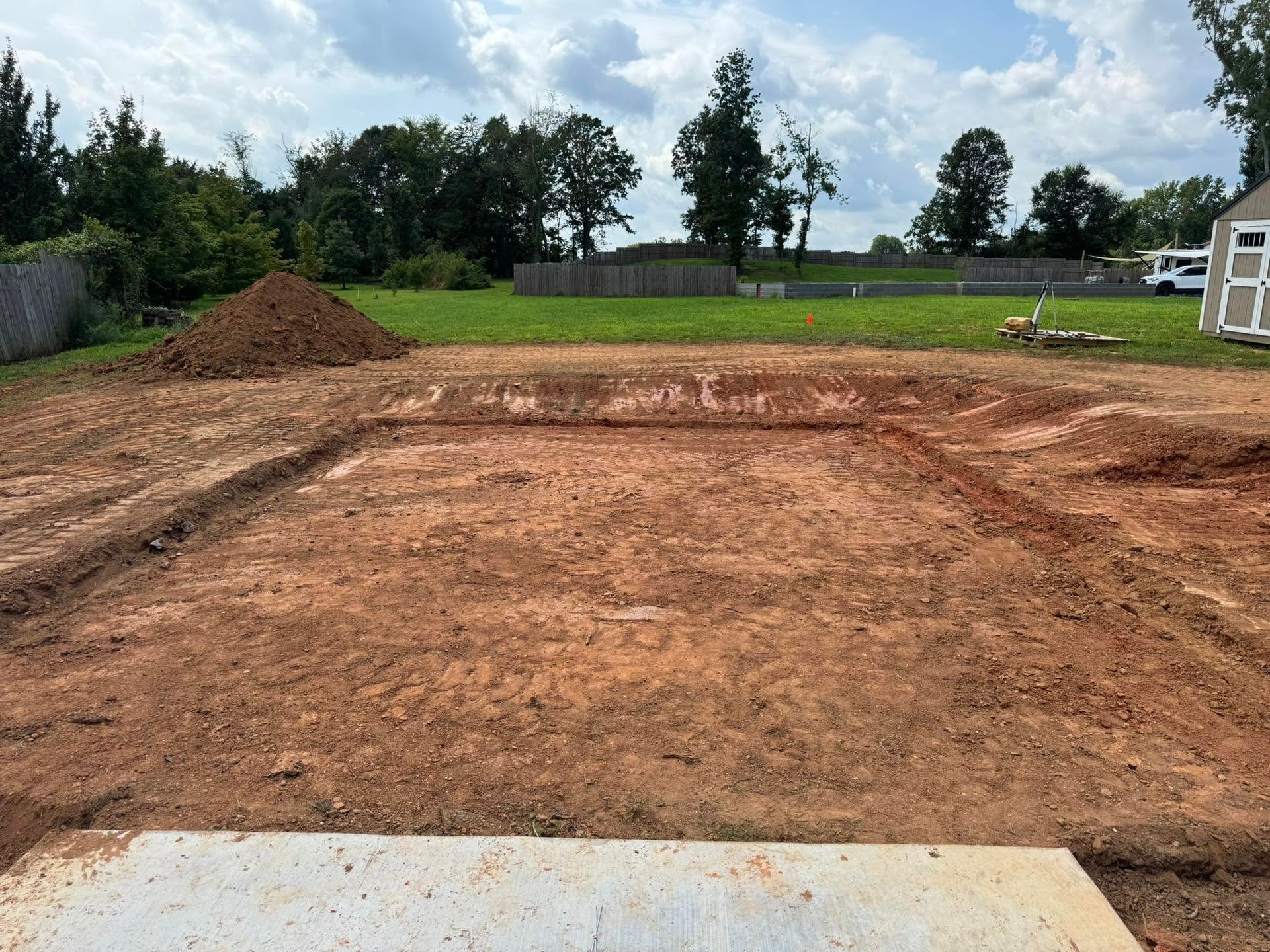
Shaping Final Grades for Cleaner, Safer Property Drainage
The difference between a property that drains well and one that holds water in all the wrong places often comes down to a few inches of surface elevation and the precision with which the final grade was set. Finish grading is the last pass — the work that brings the ground surface to its correct elevation, sets the slope that moves water away from structures, and prepares the land for seeding, paving, or final inspection. Ridenhour Dirt Works provides finish grading services built around accuracy, because at this stage of a project, getting the grade right is not optional. It is the difference between a yard that performs as intended and one that generates drainage calls for years.
Homeowners, builders, and contractors throughout North Carolina bring us in for finish grading when the rough work is done, and the surface needs to be set correctly. We operate across Salisbury, North Carolina, and the surrounding communities, working on residential lots, new construction sites, and properties undergoing yard renovations where re-grading is required to correct drainage or prepare for landscaping.
We have spent 6
years finishing grades on properties of all sizes, and we bring that precision and field experience to every job we take on. As a family-owned company, every project reflects our name, and we do not leave a site until the grade is correct and the surface is ready for what follows. If your property needs finish grading handled correctly, visit our contact page to get started.
How Our Finish Grading Services Leave Every Surface Project Ready
Final Elevation Setting
Bringing the ground surface to its specified elevation is the core of finish grading. We work from grade stakes and project plans to achieve the target height across the site, cutting or adding material in precise amounts. Accurate elevation setting is essential before any flatwork, seeding, or landscaping proceeds.
Slope and Drainage Grading
Surface drainage depends entirely on how slope is established across the yard or site. We grade the ground surface to direct water away from foundations, structures, and low-lying areas, following the drainage plan or correcting existing patterns that cause standing water. Getting slope right at this stage prevents recurring drainage problems.
Lawn and Yard Grading
Preparing a lawn area for seeding or sod installation requires a smooth, evenly sloped surface free of high spots, low spots, and compacted wheel tracks. We finish the yard surface to the specifications needed for clean turf establishment, paying attention to transition zones around driveways, walks, and planting beds.
Post-Construction Grading
Once construction activity ends, the disturbed ground around a new structure needs to be brought back to finish grade. We address areas disrupted by equipment traffic, material storage, and construction activity, restoring the surface to its intended elevation and slope and preparing it for seeding or landscaping.
Ditch and Swale Shaping
Drainage channels, swales, and roadside ditches require precise shaping to function correctly. We cut and shape these features to the depth, width, and slope specified in the drainage plan, ensuring they carry water at the designed capacity without eroding the channel walls or flooding the adjacent land.
Grading for Slab and Flatwork Preparation
Concrete slabs, driveways, and flatwork require a prepared subbase at the correct elevation before forms are set. We finish grade the area beneath planned flatwork to ensure uniform depth and a stable, level surface for the concrete pour. Proper preparation at this stage prevents slab cracking caused by uneven subbase settlement.
How Finish Grading Creates the Right Surface for Every Project
Proper Surface Drainage
Water follows the path of least resistance, and finish grading determines where that path leads. A correctly graded surface directs runoff away from structures, foundations, and low areas, preventing ponding, erosion, and moisture infiltration. Managing water flow at the surface level protects everything below it.
Foundation Protection
Water that consistently drains toward a foundation saturates the surrounding soil and increases hydrostatic pressure against foundation walls. Grading the surface away from the structure at the correct slope reduces that pressure and keeps the foundation perimeter drier over its service life.
Lawn Establishment Success
Grass seed and sod both perform better on a smooth, correctly sloped surface. Low spots hold water and create bare patches; high spots dry out faster than surrounding areas. A properly finished grade gives turf an even starting condition, improving germination rates and producing a more consistent lawn.
Inspection and Permit Compliance
Final grading is typically required to meet local building code standards before a certificate of occupancy is approved. Setting the grade correctly ahead of the inspection avoids reinspection fees, project delays, and rework costs. Our team understands the grading requirements that apply to residential construction in the area.
Cleaner Transition to Landscaping
Landscaping installation goes more smoothly on ground that has been correctly graded first. Planting bed elevations, edging lines, and hardscape transitions all depend on a consistent surface to reference from. Finish grading gives the landscaping crew a predictable starting point rather than a surface full of irregularities.
Reduced Ongoing Maintenance
A property with a correctly set finish grade drains predictably and consistently. Homeowners spend less time regrading low spots, reseeding washouts, and managing drainage issues that should have been addressed during construction. Getting the grade right initially reduces the correction work that poorly graded properties consistently generate.
Ready for a Smooth, Properly Drained Final Grade?
The last pass of the blade either gets it right or it does not — and on a finish grading job, there is no hiding the difference. A grade set precisely at the correct elevation and slope drains quietly for decades. One set carelessly generates standing water, washouts, and structural concerns that compound with every rain event. Ridenhour Dirt Works handles finish grading throughout Salisbury, North Carolina with the precision this phase demands and the accountability that comes with being a family-owned operation. When your project needs the final grade set correctly, visit our contact page and we will take it from there.
Frequently Asked Questions
What is finish grading and when does it happen?
Finish grading is the final shaping of the ground surface to target elevation and drainage slope. It usually happens after rough grading and construction activity are complete, preparing the site for seeding, sod, flatwork, landscaping, or final inspection.
How much slope is needed for proper drainage away from a foundation?
Most grading standards require at least six inches of fall over the first ten feet away from a foundation. This directs surface water away from the structure without creating erosion. We grade to required standards and confirm slope before completion.
Can finish grading fix drainage problems on an existing property?
Yes, finish grading can correct standing water, soggy lawn areas, and surface drainage problems. By reshaping the ground to redirect flow, many issues can be solved without underground drainage systems. We assess the existing grade and recommend the most practical solution.
What equipment is used for finish grading?
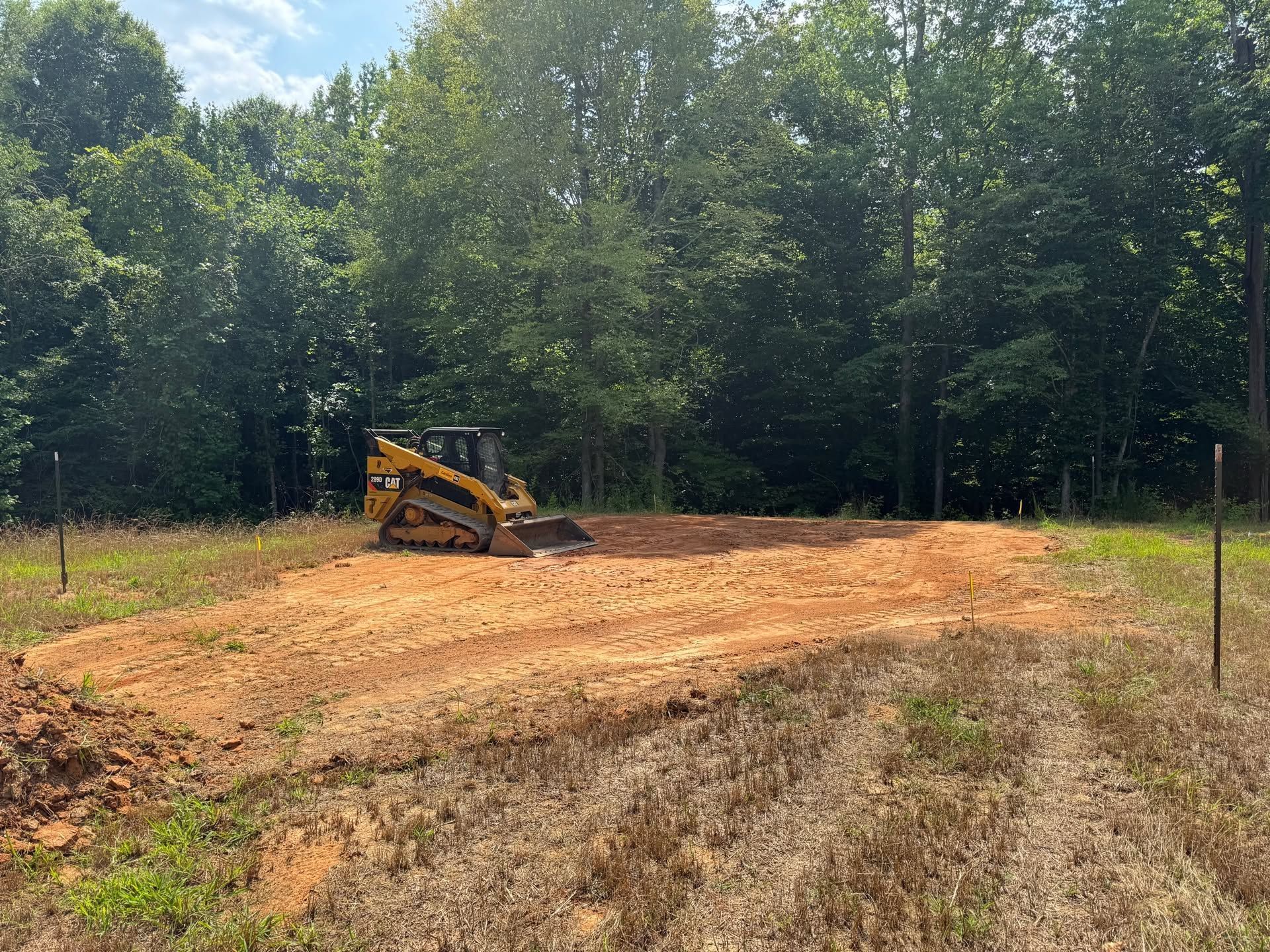
Finish grading commonly uses skid-steer loaders, box blades, grading attachments, and hand rakes to create a smooth, accurate surface. Equipment choice depends on area size, access, and precision needs, with smaller machines used near structures and larger equipment used on open ground.
How do I know if my property needs regrading?
Signs include yard pooling, water draining toward the foundation, erosion channels, and low spots that stay wet after storms. Ridenhour Dirt Works can assess your Salisbury, North Carolina property and determine whether regrading is the right solution for your conditions.
Does finish grading include topsoil placement?
Topsoil placement may be included when needed, especially on new construction sites where topsoil was stripped during earlier preparation. We can spread and blend topsoil as part of finish grading when lawn establishment or final surface quality requires it.
What happens if finish grading is skipped or done poorly?
Poor finish grading causes drainage problems, erosion, lawn failure, and possible foundation moisture issues. Correcting grade after landscaping is finished is more disruptive and costly than doing it right during the original project, so this phase should not be rushed.
How long does finish grading take on a typical residential lot?
A typical residential lot can often be finish graded in one day, depending on lot size, material movement, drainage corrections, and equipment access. Larger properties or complicated drainage conditions may take longer. We provide a realistic timeframe after assessing the site.
What our customers have to say...
Testimonials