Building Pad Preparation in Salisbury, North Carolina
Preparing Stable Building Pads for Stronger Construction Starts
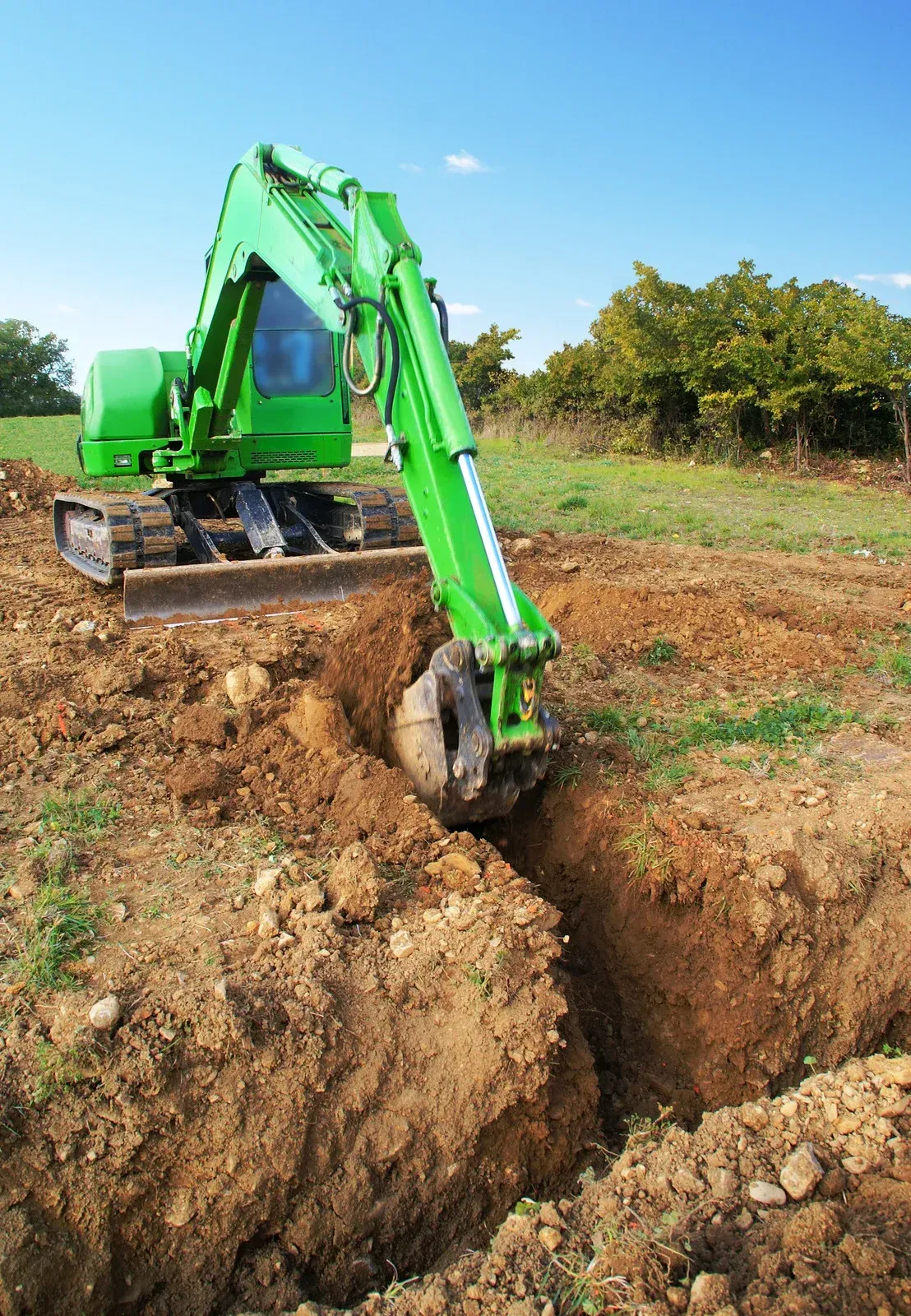
A level pad looks simple from the surface, but what is underneath it determines everything about how the structure it supports will perform over time. Building pad preparation is the process of creating a compacted, stable, correctly elevated base capable of carrying the load of the structure placed on it — whether that is a home, a shop, a barn, or any other building. Ridenhour Dirt Works provides building pad preparation services that address soil conditions, elevation, compaction, and drainage before any footings are set or slabs are poured. We treat every pad as a structural element in its own right, because that is exactly what it is.
Property owners and builders throughout North Carolina rely on us for building pad work that meets construction requirements and does not develop problems after the structure goes up. We operate across Salisbury, North Carolina and the surrounding communities, preparing pads for new construction projects ranging from residential homes and detached garages to barns, commercial shops, and agricultural structures.
Our 6
years of building pad preparation work have given us a clear understanding of what this phase demands across different soil types, site conditions, and structural requirements. As a family-owned company, we take personal ownership of every site we work on and do not move on until the pad meets the standard required for what comes next. When your project needs a building pad prepared correctly, reach out through our contact page to schedule a site visit and get the conversation started.
What Our Building Pad Preparation Services Cover From Day One
Site Clearing and Grubbing
Before a building pad is formed, vegetation, topsoil, stumps, and roots must be removed from the footprint. We strip organic material to expose mineral soil, preventing decomposition and settlement that could compromise the structure above.
Cut and Fill Earthwork
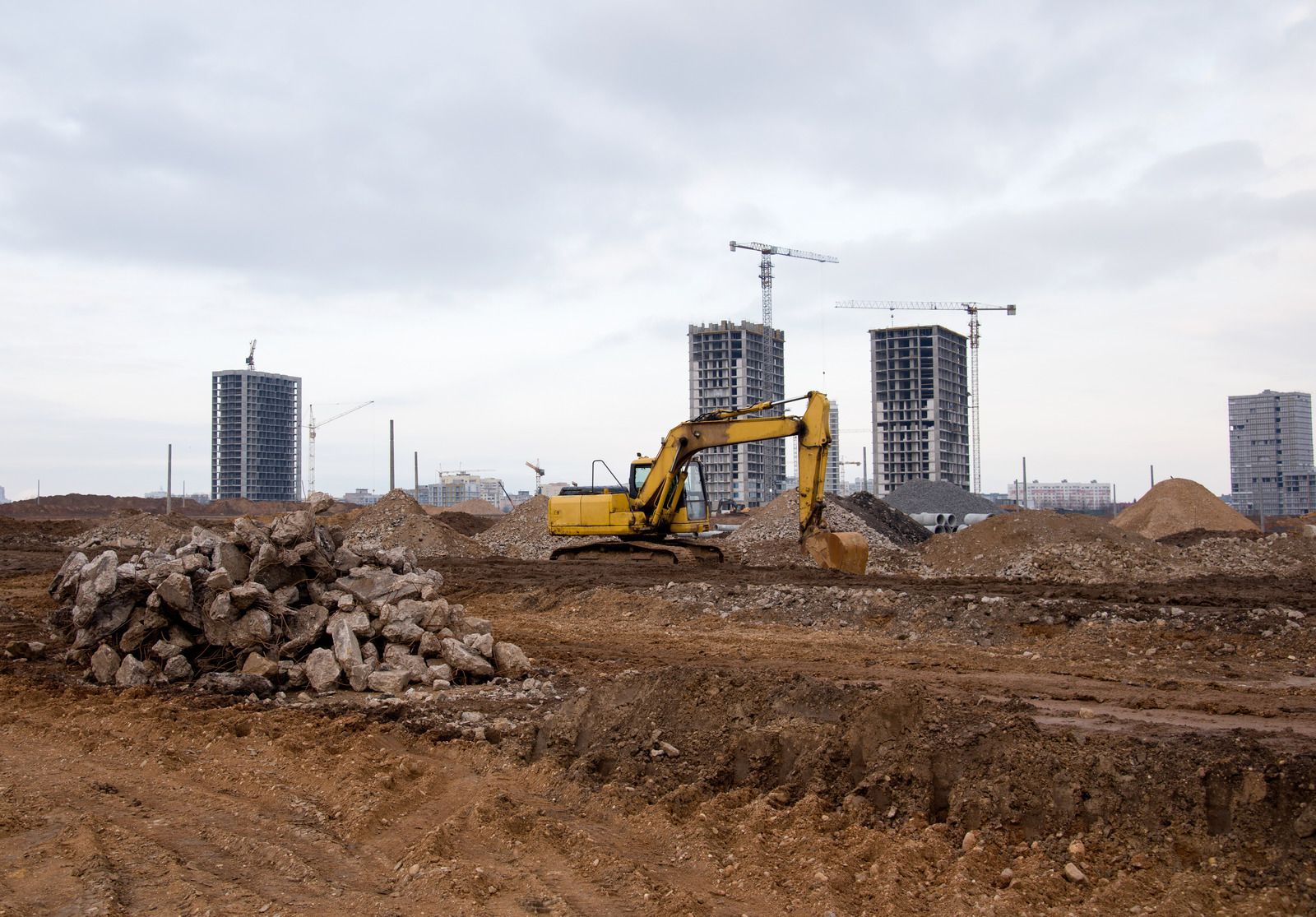
Most sites require cutting high areas and filling low areas to reach the target pad elevation. We balance on-site material where possible and import fill when needed, creating a consistent subgrade while reducing unnecessary fill depth and compaction effort.
Subgrade Stabilization
Soft, saturated, or unstable subgrade conditions must be corrected before structural fill is placed. We address problem areas through over-excavation, replacement, stabilization methods, or geotextile fabric installation to prevent differential settlement in the finished pad.
Structural Fill Compaction
Structural fill beneath a building pad must be compacted in controlled lifts. We place and compact each layer before adding the next, using equipment suited to the fill type and required density so the pad performs consistently under load.
Pad Elevation and Finish Grading
After structural fill is placed and compacted, the pad is brought to target elevation with a clean, level finish. We set elevation based on floor height, drainage, and access grades, creating a true base for foundation or slab work.
Drainage and Slope Management
A building pad must drain correctly during construction and after completion. We establish positive drainage away from the pad, address areas where water could pond, and coordinate any needed drainage components to protect the foundation and structure above.
The Real Value of Getting Building Pad Preparation Done Right
Stable Foundation Base
Every footing, slab, post, or pier depends on stable soil beneath it. Proper pad preparation creates consistent density, reducing differential settlement that causes foundation movement, cracked floors, and racked door frames. A sound base is essential to any durable building project.
Prevention of Post-Construction Settlement
Settlement after construction is disruptive and expensive to fix. Thorough compaction during pad preparation eliminates voids and density variations that cause movement. Investing in proper preparation costs far less than correcting settlement problems after the structure is built or occupied.
Correct Floor and Slab Elevation
Pad elevation determines the finished floor height of the structure. Correct elevation supports proper access grades, threshold heights, and drainage relationships to surrounding grade. A pad set too high or low affects every related measurement and must be corrected before construction continues.
Improved Load Distribution
A well-compacted building pad distributes structural loads evenly through the fill and into native soil below. Uniform density helps prevent settlement beneath heavily loaded points such as column footings, slabs, posts, and bearing walls, improving long-term structural performance.
Weather Resistance During Construction
A prepared, compacted building pad provides a stable working surface for crews and equipment during construction. Loose fill becomes difficult to work when wet, causing ruts and delays. Proper preparation helps the pad stay workable through changing site conditions.
Code and Engineered Specification Compliance
Building pad preparation must meet geotechnical recommendations, structural specifications, and code requirements. We prepare pads to the standards each project requires, supporting inspection approval, engineered design intent, and fewer delays or change orders during construction.
Build on a Pad Prepared for Long-Term Stability
Most structural problems that show up in the first few years of a building's life did not start above grade — they started in the ground beneath it. Settlement, cracking, and shifting are almost always a preparation failure, not a construction one. Getting the pad cleared of organics, compacted to spec, and set at the correct elevation before the first footing goes in eliminates that category of problem entirely. Ridenhour Dirt Works prepares building pads throughout Salisbury, North Carolina to the standard every structure deserves. Visit our contact page when your project is ready for the pad phase.
Frequently Asked Questions
What is a building pad and why does it need to be prepared?
A building pad is the prepared, compacted ground where a structure is built. It must be cleared, brought to proper elevation, and compacted because native soil is rarely ready to support a structure safely without modification.
How deep should fill be compacted beneath a building pad?
Fill depth depends on required elevation, structural load, and existing soil conditions. Any fill beneath structural elements should be compacted in lifts, regardless of total depth. Deeper fill requires more lifts and compaction time to prevent settlement.
How do you determine the correct building pad elevation?
Pad elevation is determined by project plans, finish floor requirements, and drainage needs. We work from grading plans or establish elevations that support access, positive drainage, and proper relationship to surrounding grade before fill placement begins.
Can you prepare a building pad on sloped ground?
Yes, building pads can be prepared on sloped ground using cut and fill work. We create a level pad at the required elevation, manage material on-site when possible, and address slope conditions based on the structural design.
How long does building pad preparation take?
Timeline depends on pad size, fill depth, site conditions, access, and weather. A standard residential building pad may take one to three days in favorable conditions. Larger pads or difficult soil conditions can require more time.
Do you work with structural engineers and geotechnical reports?
Yes, when engineering specifications or geotechnical reports are provided, we work from those documents. Recommendations for bearing capacity, fill material, and compaction requirements guide the preparation process so the pad meets the design intent.
What happens if unstable soil is discovered during pad preparation?
If soft, saturated, or organic soil is found, we stop, document the condition, and notify the owner or engineer. Solutions may include over-excavation, geotextile reinforcement, select fill, or revised design before fill placement continues.
Ridenhour Dirt Works — do you handle building pad preparation for accessory structures in Salisbury, North Carolina?
Yes, Ridenhour Dirt Works prepares pads for garages, workshops, barns, agricultural buildings, and storage structures throughout Salisbury, North Carolina. Accessory structure pads receive the same attention to elevation, compaction, and site stability as primary building pads.
What our customers have to say...
Testimonials